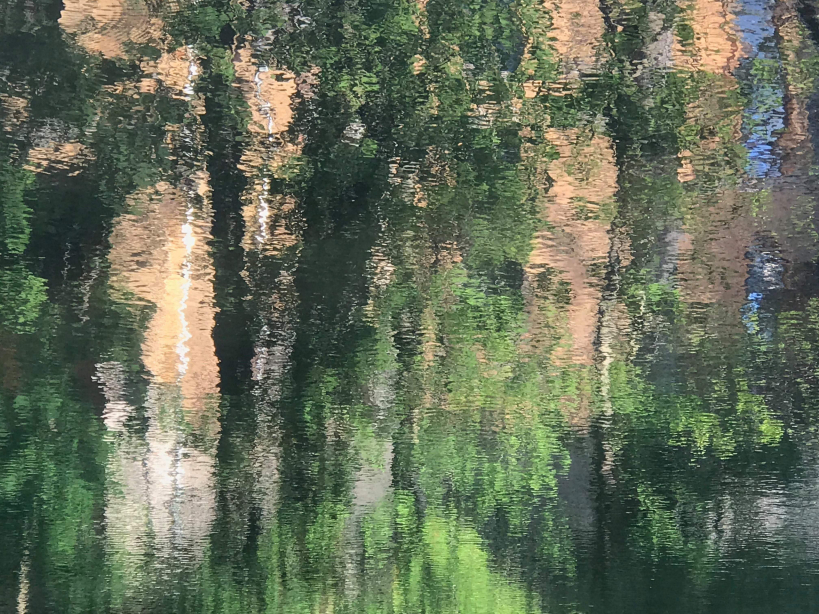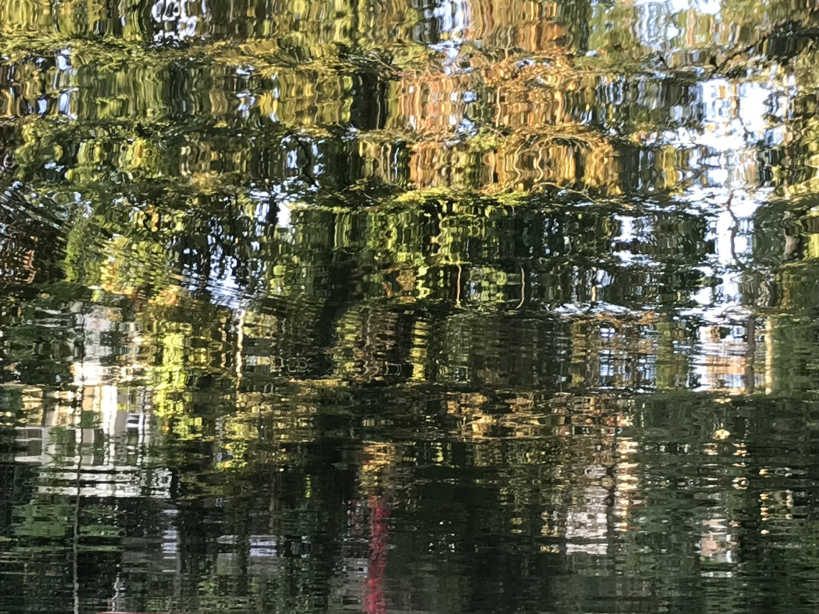

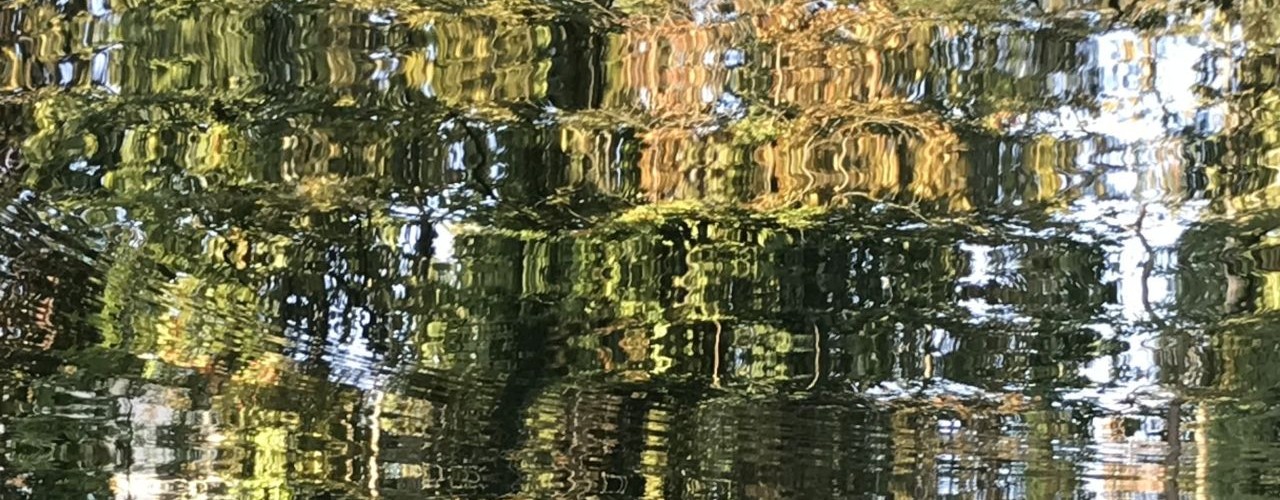
In Munich, the Isar carries historical, economic and social significance. As a river that contributed to the city’s development, including the historical transport of salt, it has long functioned as both natural force and infrastructure. Today, it serves as a space for recreation, activity and ecological value.
This site-specific performance, conceived for the Isar, rather than narrating its history directly, activates a bodily relationship with the river as a living presence, in the heart of the city. It does not represent the river, it inhabits it. Exploring the body as a space for perception, connection and transformation, minimal gestures and collective presence create conditions that shift how we experience time, landscape and shared space.
Performers enter the river, their bodies inclined by the current, moving in synchronized patterns of expansion and return, create a temporary body-landscape: a line of humans breathing together in the flow of the river. Gradually, members of the public will be invited to join, allowing the composition to grow and transform. In a city shaped by speed and productivity, the work introduces a different temporality: slow pace, attunement and collective attention. It invites a moment of presence, offering a poetic interruption in the urban landscape.
Mariateresa Molino, born in 1986 in Italy, lives and works in Munich and Berlin.
Within Public Art München Focus Year and its generous, overall focus on how we communicate and interact with our surroundings, rediscovering the public space as a place of multiple possibilities, the framework of the Invisible City proposes a further deepening of these core concerns. Five young artists – Noemi Calzavara & Marlotte Nugteren, Geumok Oh, Lee Kern, Mariateresa Molino, Carla Vollmers, all part of or having graduated from the Performance class at the Academy of Fine Arts, show individual performative works in the context curated by Alexandra Pirici (artist and professor for Performance at AdBK Munich). Their works reveal or refocus attention on less visible aspects and dynamics: of the public space and its collective construction, of the social fabric of the city, or even of the city’s natural environment and its psychogeography. Spread across various locations – Marienplatz, transit nodes, the Isar river, children’s playgrounds or monument sites, the performative actions propose interruptions, reconstructions, subtle changes or attunements in relation to places and bodies both material and imagined, both living and object-like, inviting us to consider them anew.
Performances
Sunday, 21 June, 7.30 pm
Location: Between Braunauer Eisenbahnbrücke and Brudermühlbrücke
Tuesday, 23 June, 7.30 pm
Location: Between Braunauer Eisenbahnbrücke and Brudermühlbrücke